


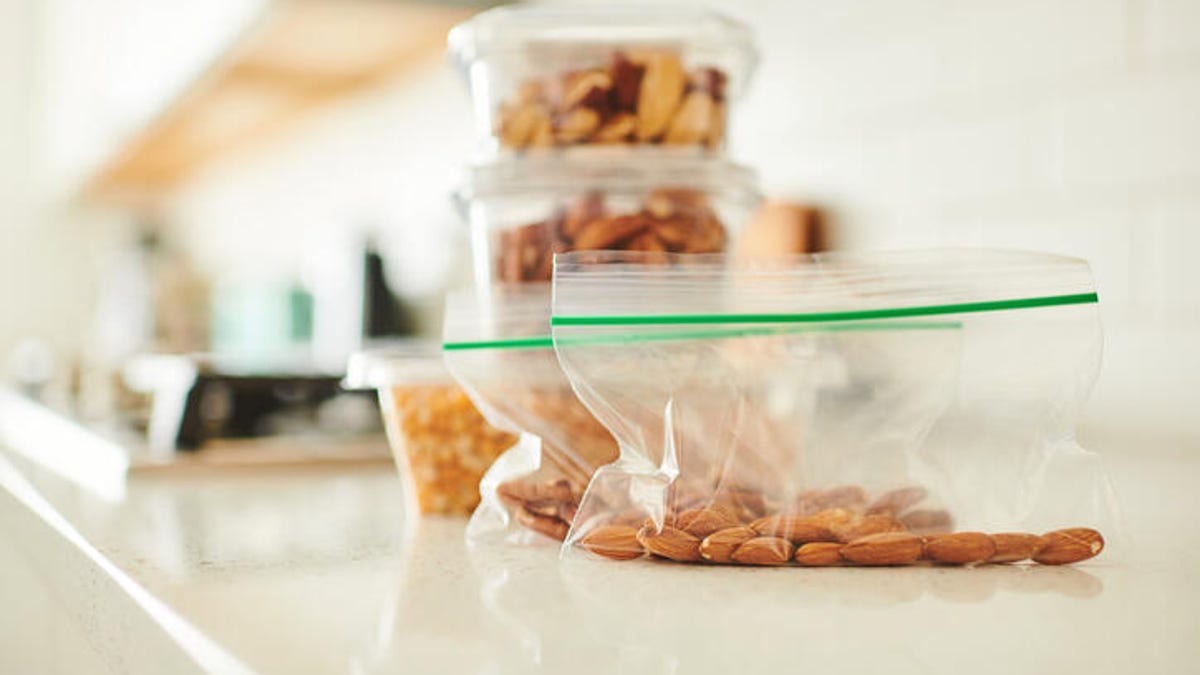
When you buy plastic food containers, you tend to look for whether they’re microwave and freezer-safe. The maker of Rubbermaid, Newell Brands, is now facing a class action lawsuit for claiming that its plastic-based containers are “microwave safe” and “freezer-safe.” According to the complaint, these products can release microplastics into food even when used as per the instructions, despite the products’ marketing claiming otherwise. Ziploc is also facing a similar class action lawsuit.
Ziploc storage bags contain polyethylene and polypropylene — plastics known to release microplastics into foods when they’re subject to extreme temperatures. Ziploc’s packaging does not include a disclaimer for this.
Brad Younggren of Circulate Health said, “Repeated exposure to extreme temperatures — cold or hot — stresses plastic materials and can lead to the breakdown of their surface layers, releasing tiny plastic particles into food.”
Microwaving food in plastic leads to the heat accelerating the amount of microplastics leaching into the food. “Similarly, freezing and thawing cycles can cause structural degradation that also encourages microplastic release, not unlike how freezing temperatures crack pavement in winter,” Younggren said.
Millions of families have been exposed to ingesting microplastics because of this misrepresentation of plastic products and the lack of disclosure. Reddit is full of threads about users concerned about being exposed to microplastics, with many debating whether plastic containers are safe.
An estimate says that an average person intakes between 39,000 and 52,000 microplastic particles each year. If you account for airborne particles, that number jumps to 120,000. As of now, there’s no established measure for what constitutes a “safe” or “unsafe” level of microplastic consumption, which is why it’s important to understand where microplastics come from and how to reduce your intake.
What’s the deal with microplastics?
Microplastics have long been a topic of conversation, mainly because they’re important environmental pollutants. But these tiny plastic fragments don’t just negatively impact the earth; they have potentially health impacts, too. Some days, it feels like we’re regularly discovering a surprisingly high amount of microplastics lurking in our bodies. Scientists recently found high concentrations of microplastics in the brains of cadavers.
While the US Food & Drug administration says scientific evidence doesn’t suggest that the amount of microplastics in foods is a risk to our health, not all doctors are convinced. Microplastics located in the blood vessels have been linked to a higher risk of heart attack and stroke. Research has also found tissue inflammation, cell death and lung and liver impacts because of microplastics. That said, there’s still plenty we don’t know about the effects of microplastics.
What we do know is that microplastics are everywhere. They’re in the burned-down plastic spoon you should have thrown away years ago or the plastic-wrapped foods at the grocery store. However, it’s not just how we package our foods. Microplastics can enter our food through soil and water contamination where they’re grown.
Since microplastics touch so many areas of our lives (did I mention they’re also in the synthetic fibers of our clothing?), it can feel challenging to outrun them completely. While there’s no established safe or unsafe level of microplastic consumption, most of us want to minimize our contact with them as much as possible.
How can I limit my microplastic intake?
This news doesn’t automatically mean that plastic storage containers aren’t safe to use. They remain one of the most affordable and convenient options for many families. However, it’s not a bad idea to avoid freezing and microwaving them in the future. If you want to limit your family’s consumption of microplastics even further, it’s best to minimize your use of plastic in the kitchen. Remember, microplastics aren’t just in plastic bags or containers.
Top places microplastics lurk in your kitchen:
- Nonstick cookware
- Plastic cooking utensils
- Tea bags
- Plastic straws
- Canned food lining
- Plastic cutting boards
So you should probably stop using Ziploc bags to freeze and microwave your food. But where does that leave you? Younggren suggested opting for non-plastic alternatives when you can.
“We recommend microwave-safe glass containers as safer options,” Younggren said. Glass containers are more stable under temperature stress, so the risk of microplastic contamination is lower.
There are things you can do beyond changing how you store your food. You can opt for wood cutting boards instead of plastic, or use loose tea leaves or cook in cast iron. You’d probably be surprised by how much plastic is in your kitchen. A good rule of thumb when cooking is to note how often your food comes into contact with plastic. It’s difficult to cut it entirely out of your life, though any strides you can make will reduce your microplastic intake.
