
Close Menu
TechUpdateAlert

    Subscribe to Updates

    Get the latest creative news from FooBar about art, design and business.

    What's Hot

    My Health Anxiety Means I Won’t Use Apple’s or Samsung’s Smartwatches. Here’s Why

    December 22, 2025

    You can now buy the OnePlus 15 in the US and score free earbuds if you hurry

    December 22, 2025

    Today’s NYT Connections: Sports Edition Hints, Answers for Dec. 22 #455

    December 22, 2025
    Facebook X (Twitter) Instagram
    Trending
    • My Health Anxiety Means I Won’t Use Apple’s or Samsung’s Smartwatches. Here’s Why
    • You can now buy the OnePlus 15 in the US and score free earbuds if you hurry
    • Today’s NYT Connections: Sports Edition Hints, Answers for Dec. 22 #455
    • Android might finally stop making you tap twice for Wi-Fi
    • Today’s NYT Mini Crossword Answers for Dec. 22
    • Waymo’s robotaxis didn’t know what to do when a city’s traffic lights failed
    • Today’s NYT Wordle Hints, Answer and Help for Dec. 22 #1647
    • You Asked: OLED Sunlight, VHS on 4K TVs, and HDMI Control Issues
    Facebook X (Twitter) Instagram Pinterest Vimeo
    TechUpdateAlertTechUpdateAlert
    • Home
    • Gaming
    • Laptops
    • Mobile
    • Software
    • Reviews
    • AI & Tech
    • Gadgets
    • How-To
    TechUpdateAlert
    Home»Laptops»Oxford University is using AI to find supernovae in the sky
    Laptops

    Oxford University is using AI to find supernovae in the sky

    techupdateadminBy techupdateadminSeptember 13, 2025No Comments3 Mins Read
    Share Facebook Twitter Pinterest LinkedIn Tumblr Reddit Telegram Email
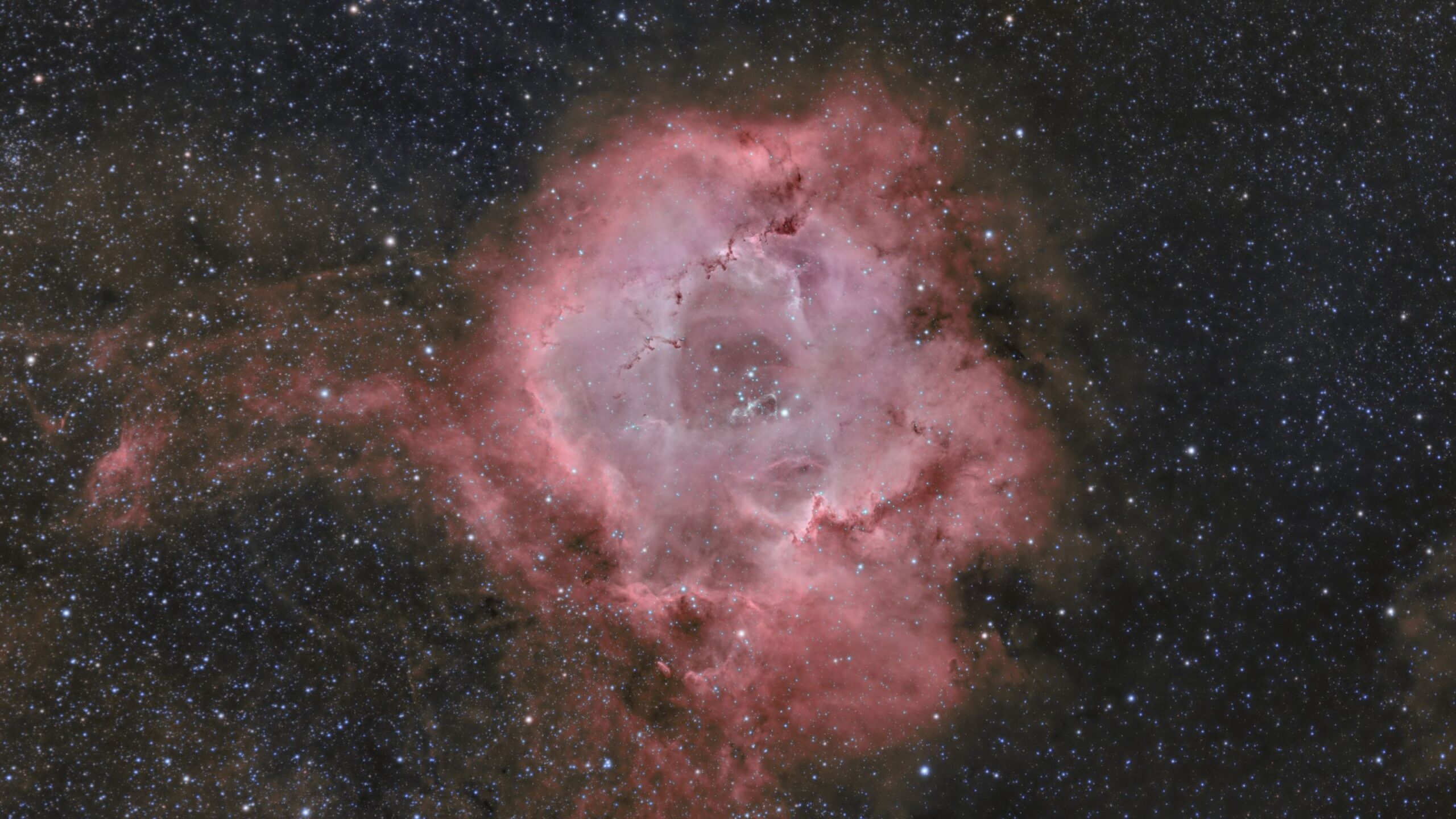
    NGC numbers: 2237, 2238, 2239, 2246 and the open star cluster NGC 2244. Taken in Nerja. Andalusia. South of Spain.
    Share
    Facebook Twitter LinkedIn Pinterest Email

    AI is everywhere, it can be overwhelming, and lots of folks will be sick of hearing about it. But it’s also important to continue to recognize where AI can make a real difference, including in helping our understanding of the universe.

    That’s exactly what’s been happening at Oxford University, one of the UK’s most respected academic centers. A new tool built by its researchers is enabling them to find “the needles in a cosmic haystack” while significantly reducing the workload on its scientists conducting the research.

    Specifically what’s been presented is an AI-powered tool that is helping astronomers find supernovae by providing an efficient way to comb through hundreds of signals per day that would take up hours of manpower ordinarily to manually sift through.


    You may like

    Instead, this new approach using the power of AI reduces the human aspect of the workload by as much as 85%, while maintaining an outstanding accuracy record and freeing up scientists to better use their time, and their minds.

    The Virtual Research Assistant is efficient and accurate and reduces the load on the astronomers who would ordinarily have processed the data manually. (Image credit: Getty Images | Javier Zayas Photography)

    From Oxford University, here’s a little about how it works:

    “The new tool, called the Virtual Research Assistant (VRA), is a collection of automated bots that mimics the human decision-making process by ranking alerts based on their likelihood of being real, extragalactic explosions. Unlike many AI-automated approaches that require vast training data and supercomputers, the VRA uses a leaner approach. Instead of data-hungry deep learning methods, the system uses smaller algorithms based on decision trees that looks for patterns in selected aspects of the data. This allows scientists to inject their expertise directly into the model and guide the algorithms to key features to look for.”

    One of the key takeaways besides the obvious time saving aspect for the scientists using it is that the VRA wasn’t built like an LLM, using massive datasets and equally massive quantities of computing power and energy.

    All the latest news, reviews, and guides for Windows and Xbox diehards.

    Instead, it was possible to train using just 15,000 examples and a laptop to train the algorithms used in the VRA.

    Image of the ASUS ROG Zephyrus G14 (2025) gaming laptop.

    Unlike a traditional LLM, it was possible to train the VRA using nothing but a laptop. (Image credit: Windows Central | Zachary Boddy)

    It continues to update its assessments of the signals as the same patch of sky is re-scanned, and as such only the most likely positive signals get passed to the astronomers for final verification.

    In the first year of use, it processed over 30,000 alerts and missed less than 0.08% of real ones.

    With a new survey starting in 2026 that will produce up to 10 million alerts per night, having an AI tool that can reduce workload for the humans by 85% certainly sounds like it arrived at the right time.

    I won’t pretend to understand any of the science, but this is proof if ever it were needed of the benefits AI can provide. A human with the right expertise still has the final signoff, but properly trained AI can crunch significant quantities of data faster and make the end job for that human more efficient.

    AI isn’t always about asking ChatGPT to help with a recipe or researching your homework. In the right hands, it can do phenomenal work to change the way we understand the universe around us.

    Find Oxford sky supernovae University
    Share. Facebook Twitter Pinterest LinkedIn Tumblr Email
    Previous ArticleA $99.99 PDF editor is now only $30 for a lifetime subscription
    Next Article Dyson’s new smart fan heater looks so cosy, I’m almost excited for the cold weather to arrive
    techupdateadmin
    • Website

    Related Posts

    Gadgets

    How to Quickly Find Out What’s Streaming on Multiple Services at Once

    December 21, 2025
    Gadgets

    Gear News of the Week: LG Debuts an RGB LED TV, and Google Brings Find Hub to Wear OS

    December 21, 2025
    Mobile

    iPhone 17 Pro Loses Fight Against the Oppo Find X9 Pro’s Camera

    December 7, 2025
    Add A Comment
    Leave A Reply Cancel Reply

    Top Posts

    NYT Strands hints and answers for Monday, August 11 (game #526)

    August 11, 202545 Views

    These 2 Cities Are Pushing Back on Data Centers. Here’s What They’re Worried About

    September 13, 202542 Views

    Today’s NYT Connections: Sports Edition Hints, Answers for Sept. 4 #346

    September 4, 202540 Views
    Stay In Touch
    • Facebook
    • YouTube
    • TikTok
    • WhatsApp
    • Twitter
    • Instagram
    Latest Reviews

    Subscribe to Updates

    Get the latest tech news from FooBar about tech, design and biz.

    Most Popular

    Best Fitbit fitness trackers and watches in 2025

    July 9, 20250 Views

    There are still 200+ Prime Day 2025 deals you can get

    July 9, 20250 Views

    The best earbuds we’ve tested for 2025

    July 9, 20250 Views
    Our Picks

    My Health Anxiety Means I Won’t Use Apple’s or Samsung’s Smartwatches. Here’s Why

    December 22, 2025

    You can now buy the OnePlus 15 in the US and score free earbuds if you hurry

    December 22, 2025

    Today’s NYT Connections: Sports Edition Hints, Answers for Dec. 22 #455

    December 22, 2025

    Subscribe to Updates

    Get the latest creative news from FooBar about art, design and business.

    Facebook X (Twitter) Instagram Pinterest
    • About Us
    • Contact us
    • Privacy Policy
    • Disclaimer
    • Terms and Conditions
    © 2026 techupdatealert. Designed by Pro.

    Type above and press Enter to search. Press Esc to cancel.