
Close Menu
TechUpdateAlert

    Subscribe to Updates

    Get the latest creative news from FooBar about art, design and business.

    What's Hot

    My Health Anxiety Means I Won’t Use Apple’s or Samsung’s Smartwatches. Here’s Why

    December 22, 2025

    You can now buy the OnePlus 15 in the US and score free earbuds if you hurry

    December 22, 2025

    Today’s NYT Connections: Sports Edition Hints, Answers for Dec. 22 #455

    December 22, 2025
    Facebook X (Twitter) Instagram
    Trending
    • My Health Anxiety Means I Won’t Use Apple’s or Samsung’s Smartwatches. Here’s Why
    • You can now buy the OnePlus 15 in the US and score free earbuds if you hurry
    • Today’s NYT Connections: Sports Edition Hints, Answers for Dec. 22 #455
    • Android might finally stop making you tap twice for Wi-Fi
    • Today’s NYT Mini Crossword Answers for Dec. 22
    • Waymo’s robotaxis didn’t know what to do when a city’s traffic lights failed
    • Today’s NYT Wordle Hints, Answer and Help for Dec. 22 #1647
    • You Asked: OLED Sunlight, VHS on 4K TVs, and HDMI Control Issues
    Facebook X (Twitter) Instagram Pinterest Vimeo
    TechUpdateAlertTechUpdateAlert
    • Home
    • Gaming
    • Laptops
    • Mobile
    • Software
    • Reviews
    • AI & Tech
    • Gadgets
    • How-To
    TechUpdateAlert
    Home»AI & Tech»At least one Starlink satellite burns up every day, and it’s getting worse
    AI & Tech

    At least one Starlink satellite burns up every day, and it’s getting worse

    techupdateadminBy techupdateadminOctober 8, 2025No Comments3 Mins Read
    Share Facebook Twitter Pinterest LinkedIn Tumblr Reddit Telegram Email
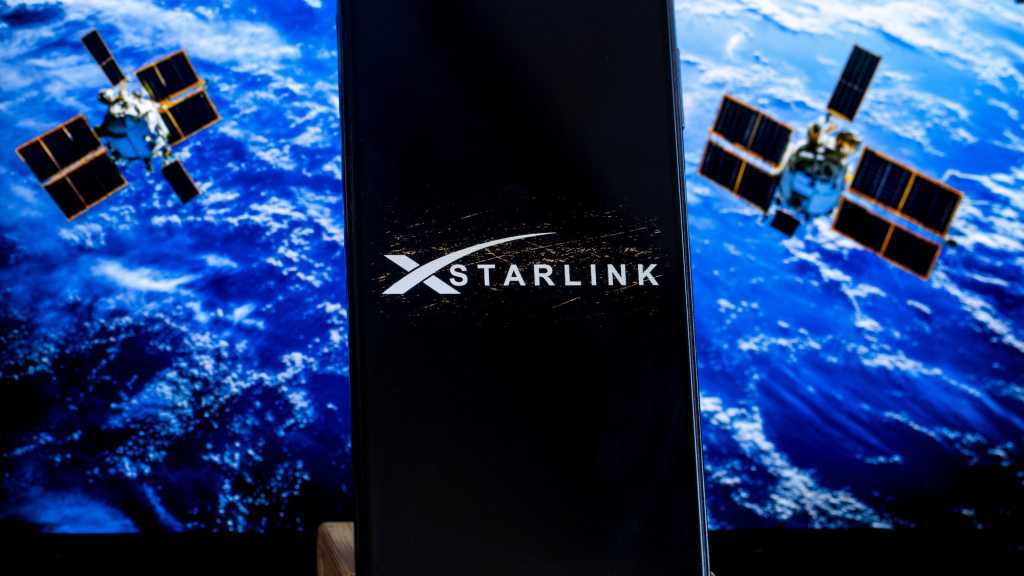
    Starlink Logo Internet via Satellit Elon Musk
    Share
    Facebook Twitter LinkedIn Pinterest Email

    SpaceX’s Starlink satellite internet continues to grow, but as it does, it’s been bringing lots of unexpected side effects with it.

    According to astrophysicist Jonathan McDowell from the Harvard-Smithsonian Center for Astrophysics, one to two Starlink satellites are re-entering Earth’s atmosphere and burning up every single day.

    McDowell says this number could increase to five per day in the coming years if other networks, such as Amazon Kuiper or planned Chinese systems, join the fray. What does that mean for Earth?

    Almost 10,000 Starlink satellites in orbit

    Since the program first started in 2019, SpaceX has launched almost 10,000 Starlink satellites into low Earth orbit (LEO). According to McDowell’s count, around 8,500 of them are currently active, while the rest are considered out of service or have already burned up.

    As the satellites orbit Earth at an altitude of around 340 miles (550 kilometers), they slowly lose altitude over time due to the low air resistance and eventually re-enter the atmosphere. When they do, they burn up completely—but sometimes fragments reach the ground.

    According to McDowell, the satellites need to be replaced every five years on average. With the planned expansion of Starlink’s fleet to around 30,000 satellites, the number of re-entries will also increase. And it will get even worse when you consider other satellite-based projects, which could bump the total up to over 50,000 satellites in low orbit.

    Solar storms and collisions as a risk

    The lifespan of satellites is heavily dependent on solar activity. During solar storms, the upper atmosphere expands, increasing air resistance and causing satellites to lose altitude more quickly. A well-known example: in February 2022, around 40 Starlink satellites were lost as a result of a geomagnetic storm.

    The risk of collisions in space is also increasing. When two objects in orbit collide, they produce debris—and as the density of orbiting objects increases, the amount of debris continues to increase, raising the chance of collisions. In effect, one collision could then cause a cascade or chain reaction of multiple collisions. This is known as Kessler syndrome.

    Consequences for the atmosphere

    Earth’s atmosphere could also be affected by the growing number of satellites burning up. Re-entry produces particles of aluminium oxide, which accumulate in higher layers of air.

    A US modeling study estimates that up to 10,000 tons of aluminium oxide could be released annually by 2040 under current expansion plans. That’s enough to warm the uppermost layers of the atmosphere (mesosphere/thermosphere) by around 1.5 degrees Celsius and possibly change chemical processes in the ozone layer.

    However, these results are based on model simulations with uncertainties. They depend heavily on the actual number, composition, and size of the satellites that burn up. A typical Starlink satellite weighs around 550 pounds (250 kilograms), which is estimated to produce around 66 pounds (30 kilograms) of aluminium oxide.

    Growing challenges in space

    There’s currently no immediate danger to everyday life or civilization, but the risk of space debris, collisions, and environmental consequences increases with every new satellite added to low Earth orbit.

    Although there are international guidelines for the disposal of decommissioned satellites, there are no binding global rules for the dismantling of large mega-constellations.

    Experts are therefore calling for a coordinated international approach to control safety in orbit and to mitigate possible consequences for Earth’s atmosphere in the long term.

    This article originally appeared on our sister publication PC-WELT and was translated and localized from German.

    Burns Day satellite Starlink worse
    Share. Facebook Twitter Pinterest LinkedIn Tumblr Email
    Previous ArticleBest Standing Desks of 2025
    Next Article Nothing Ear 3 review: work in progress
    techupdateadmin
    • Website

    Related Posts

    Mobile

    58 Best Wellness Valentine’s Day Gifts for the Health Gurus Who Have It All

    December 16, 2025
    Gadgets

    AI image generators are getting better by getting worse

    December 15, 2025
    Mobile

    AI Saves Workers Less Than an Hour Each Day, Recent OpenAI Report Finds

    December 14, 2025
    Add A Comment
    Leave A Reply Cancel Reply

    Top Posts

    NYT Strands hints and answers for Monday, August 11 (game #526)

    August 11, 202545 Views

    These 2 Cities Are Pushing Back on Data Centers. Here’s What They’re Worried About

    September 13, 202542 Views

    Today’s NYT Connections: Sports Edition Hints, Answers for Sept. 4 #346

    September 4, 202540 Views
    Stay In Touch
    • Facebook
    • YouTube
    • TikTok
    • WhatsApp
    • Twitter
    • Instagram
    Latest Reviews

    Subscribe to Updates

    Get the latest tech news from FooBar about tech, design and biz.

    Most Popular

    Best Fitbit fitness trackers and watches in 2025

    July 9, 20250 Views

    There are still 200+ Prime Day 2025 deals you can get

    July 9, 20250 Views

    The best earbuds we’ve tested for 2025

    July 9, 20250 Views
    Our Picks

    My Health Anxiety Means I Won’t Use Apple’s or Samsung’s Smartwatches. Here’s Why

    December 22, 2025

    You can now buy the OnePlus 15 in the US and score free earbuds if you hurry

    December 22, 2025

    Today’s NYT Connections: Sports Edition Hints, Answers for Dec. 22 #455

    December 22, 2025

    Subscribe to Updates

    Get the latest creative news from FooBar about art, design and business.

    Facebook X (Twitter) Instagram Pinterest
    • About Us
    • Contact us
    • Privacy Policy
    • Disclaimer
    • Terms and Conditions
    © 2026 techupdatealert. Designed by Pro.

    Type above and press Enter to search. Press Esc to cancel.