


Imagine if that refrigerator you bought just five years ago suddenly up and died—and not because of some technical glitch, but because the manufacturer deliberately reached out and deactivated it, permanently. You’d be furious, right? And you’d probably want a refund, too.
As wild as that scenario sounds for a major appliance like a refrigerator or a TV, it happens more often than you’d think in the smart home world. From the doomed Dropcam to the abandoned Revolv smart hub, there’s a long, sad parade of smart home devices that have turned into paperweights.
We’ve compiled a list of 12 infamous examples of killer smart home products that—for one reason or another—were abandoned by their manufacturers.
These deactivated smart home gadgets have either mostly or completely ceased to function. In some cases, the makers of these bricked devices offered refunds, or a discount on an upgraded or replacement product. But in other instances, customers were left high and dry.
Read ‘em and weep.
12 stone-dead smart home gadgets
Amazon Echo Look
Launched: 2017
Original list price: $200
Date deactivated: July 24, 2020
Amazon
It was a heady concept: an Alexa-powered smart camera that could scan your daily outfits and give you fashion advice. Indeed, the Echo Look was one of the original “look what Alexa can do!” devices, predating such out-there Alexa gadgets as the Echo Loop (Alexa on a ring) and the Amazon Astro (Alexa on a robot).
But the Echo Look never really took off—in part, perhaps, because the Look’s camera lacked a privacy shutter, a minus for a device that’s supposed to sit on your bedroom dresser. In May 2020, Amazon announced that the 3-year-old Look would go dark just two months later.
Amazon did offer Echo Look owners a free Echo Show 5 in compensation, but still, the $90 smart display didn’t exactly cover the $200 asking price for the dead-as-a-doornail fashion camera.
Amazon Echo Connect
Launched: 2017
Original list price: $35
Date deactivated: February 29, 2024
Amazon
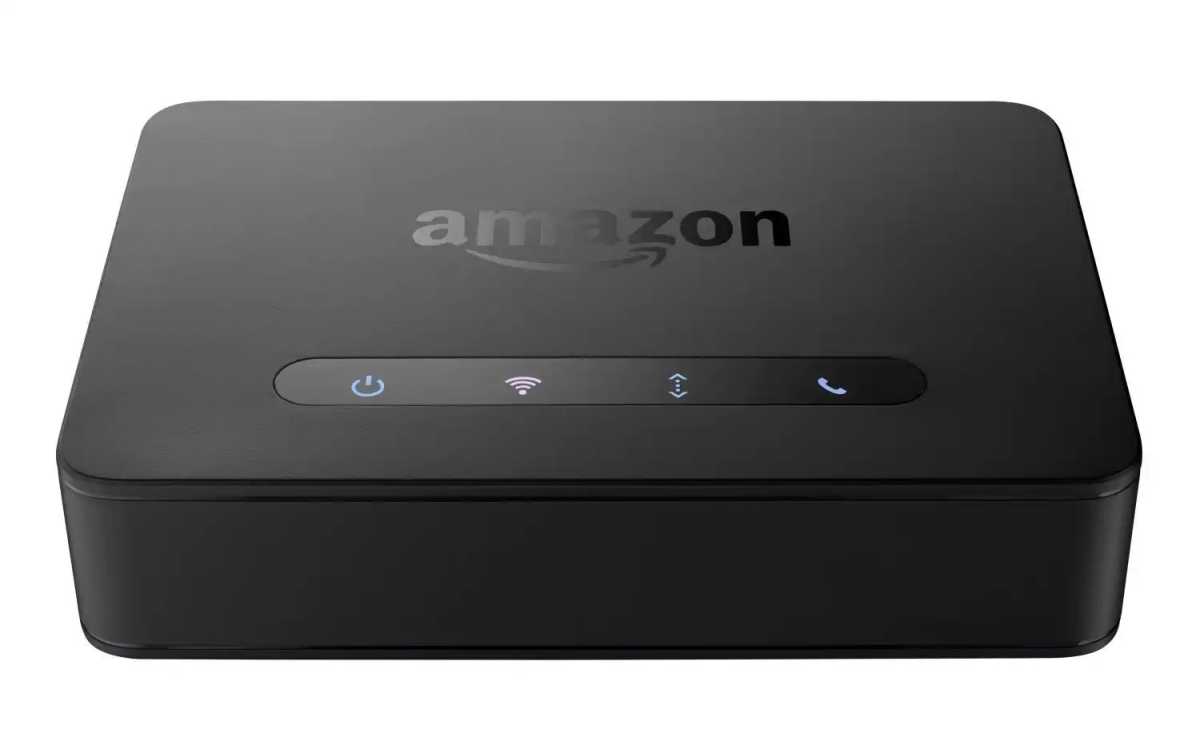
Landing right around the same time as the doomed Echo Look, the Echo Connect unlocked a killer Alexa feature: the ability to make phone calls on your landline using voice commands. All you had to do was plug your landline cable into the back of the Connect box, no additional fees required.
But as landlines gave way to cell phones and Alexa gained the ability to place calls from mobile phone numbers, the Echo Connect began to look increasingly outdated, and some bad reviews didn’t help.
Still, Echo Connect users were caught off guard when, in February 2024, Amazon gave them just a few weeks’ notice that the Connect would soon go dead. On the bright side, each Echo Connect owner got a $10 Amazon gift card for their trouble.
Revolv smart home hub
Launched: 2013
Original list price: $299
Date deactivated: May 15, 2016
YouTube
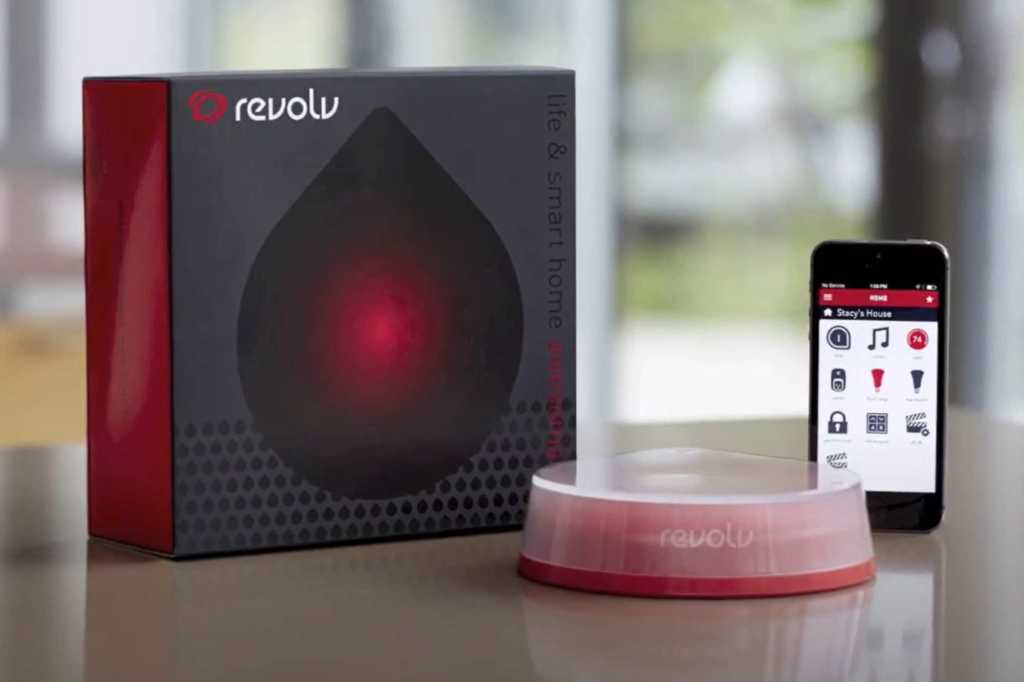
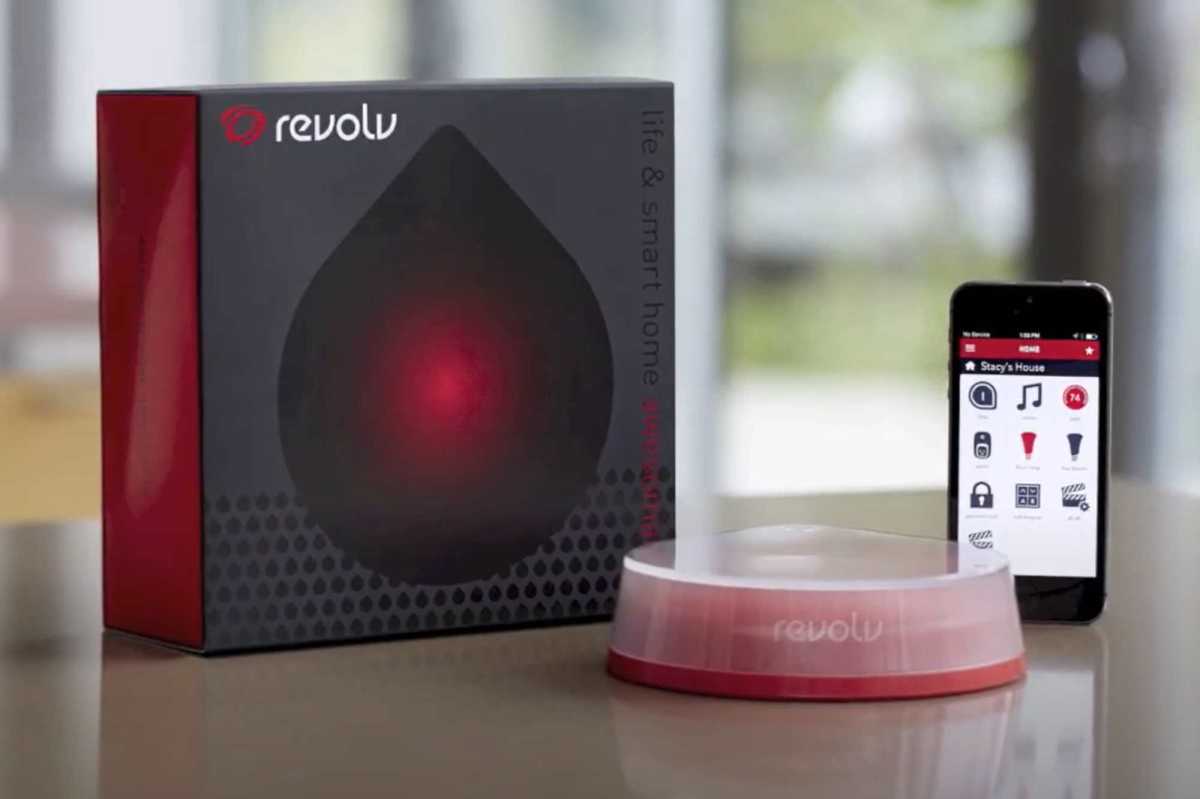
One smart hub to rule them all? That was the idea behind Revolv, a fire engine-red gadget packed with seven wireless radios that allowed you to control smart products from different manufacturers, all from a single app.
That was, at the time, a killer concept—so killer that Nest, which had itself just been acquired by Google, snapped up Revolv’s parent company in 2014 and promptly yanked the hub from store shelves.
Initially, Nest promised to keep existing Revolv smart hubs up and running. But by early 2016, Revolv owners learned that their hubs would stop working entirely by May of the same year, leaving them stuck with $300 paperweights while scrambling for alternatives.
Iris by Lowe’s Home Automation platform
Launched: 2012
Original list price: $50 hub, $99 Security Pack (with various contact and motion sensors, plus a keypad), $129 Automation Pack (contained Security Pack components plus a smart plug and button)
Date deactivated: March 31, 2019
Lowe’s
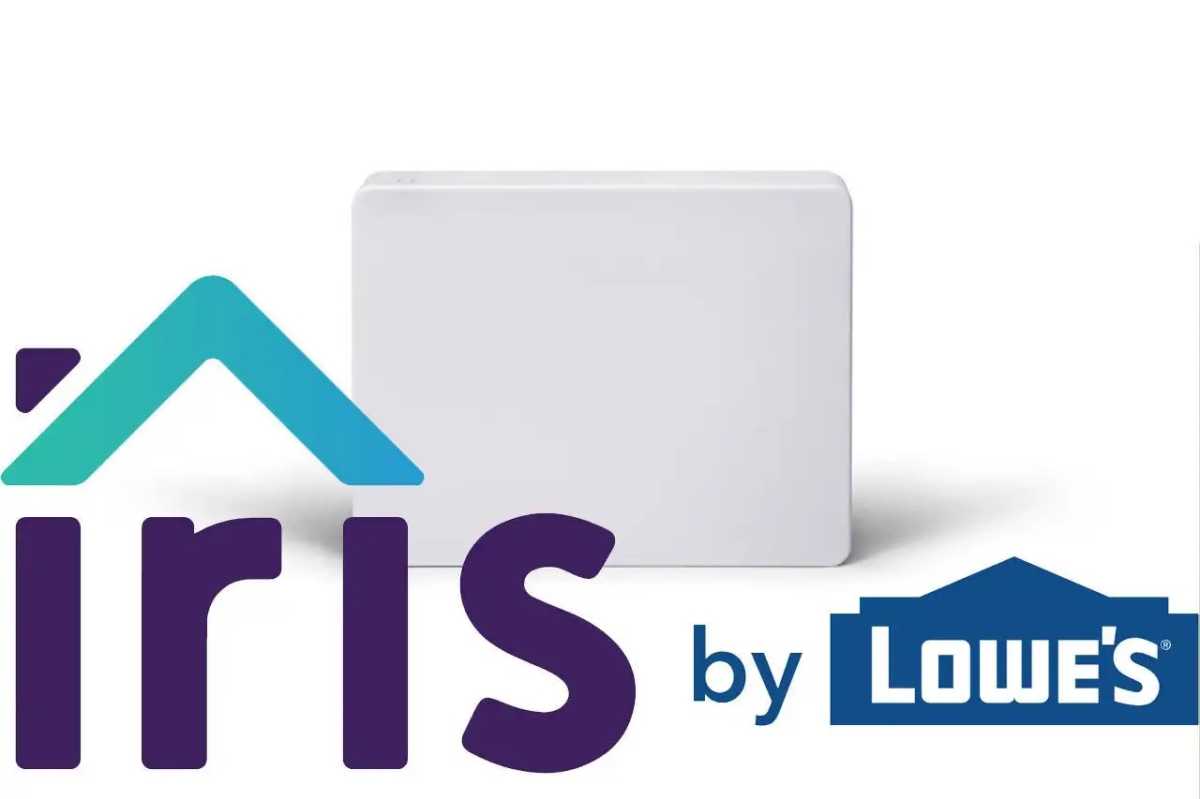
Lowe’s jumped into the smart home market early, going all-in with a hub (a second-generation hub landed in 2015 as a free upgrade for original hub owners) and a variety of sensors, security cameras, smoke detectors, and other smart components.
But from the start, Lowe’s Iris platform was beset with problems, from a lengthy and bug-ridden setup process to promised features that were slow to materialize (such as professional home monitoring), while support for third-party smart brands arrived only in dribs and drabs. Lowe’s eventually rolled out a raft of welcome updates to address the lengthy list of customer complaints, but the Iris platform never truly recovered from its rocky launch.
By 2019, Lowe’s finally threw in the towel, announcing that its Iris products would stop working by March 31 of that year.
While Iris users were faced with the prospect of rebuilding their smart home setups, Lowe’s at least offered to refund customers for any Iris products that wouldn’t work on any other platforms, while Samsung SmartThings stepped up to help Iris users migrate to its own smart platform.
Hive home security products
Launched: 2017
Original list price: Various
Date deactivated: September 1, 2023 (Hive Leak sensor), August 1, 2025 (all other Hive security products)
Amazon
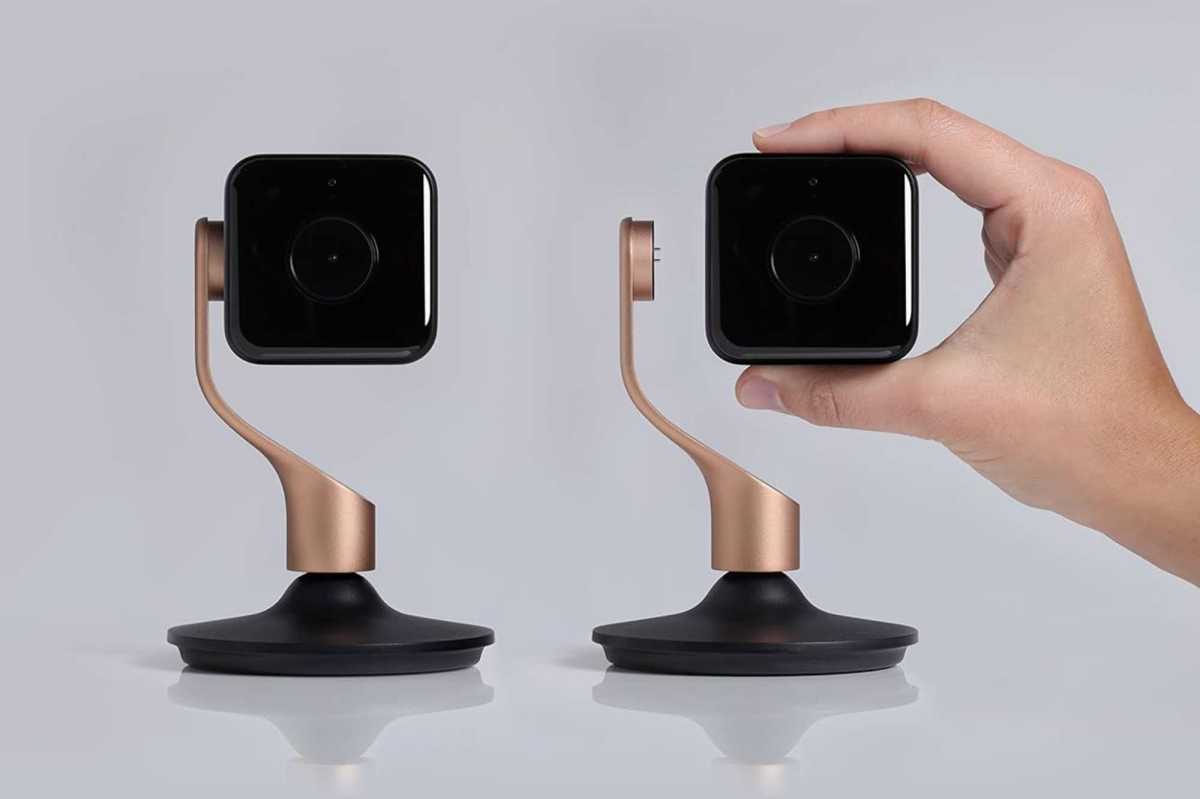
UK-based Hive had big plans for the smart home back in 2017. Originally focused on smart heating and thermostats, the brand was poised to branch out into home security with the Hive HomeShield alarm and the Hive View indoor and outdoor cameras (pictured above), while the Hive Leak Sensor would keep its wireless-enabled feelers out for water leaks.
But by 2019, Hive began dialing down its smart home ambitions, first withdrawing from the U.S. and Canadian markets (Hive gave instructions to users in North America on how to dispose of its useless smart gadgets on a support page) and then announcing it would exit the home security market altogether, with its portfolio of camera and security devices slated to go dead by August 1, 2025. (The Hive Leak lost support and connectivity in 2023.) As for refunds, the options aren’t great.
Hive chose to chop the products because “as a smart technology brand in the middle of a climate crisis, we know our focus needs to change,” according to a company statement.
Samsung SmartThings first-generation Hub, ADT SmartThings Home Security & Safety System, SmartThings Link
Launched: 2014 (first-gen Hub), 2017 (ADT SmartThings Home Security & Safety System), 2018 (Samsung Link)
Original list price: $99 (hub), $550 and up (ADT SmartThings Home Security kits), $40 (SmartThings Link)
Date deactivated: June 20, 2021
Jared Newman / Foundry
One of the biggest and most stalwart of smart home brands, Samsung SmartThings has nonetheless seen fit to turn some of its older products into paperweights.
Back in 2021, Samsung pulled support for the original SmartThings Hub from 2014—not a huge shock, given that the hub was seven years old at the time. Still, due to compatibility issues, first-generation Hub owners were faced with the prospect of recreating their smart home setups from scratch.
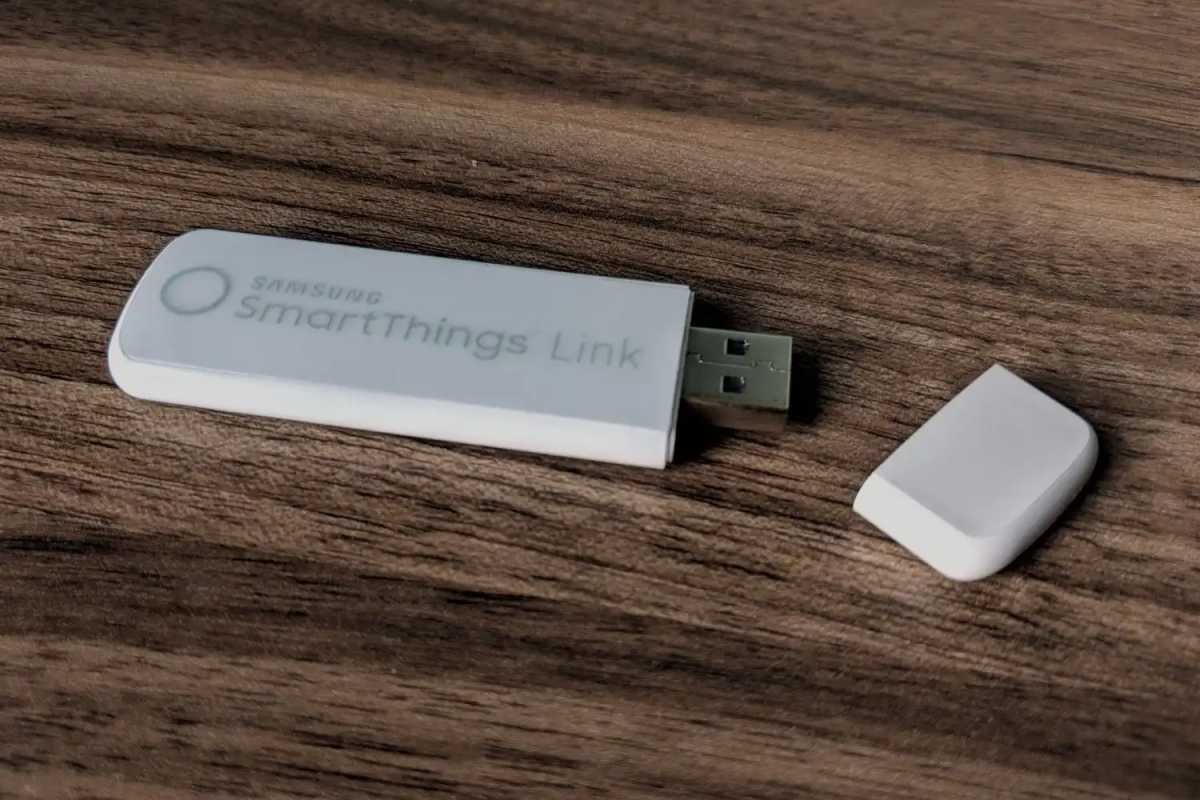
More vexing was the decision to axe the much newer Samsung Link (a dongle that allowed the Nvidia Shield to perform double duty as a SmartThings hub, pictured above) and the pricey ADT SmartThings Home Security system, which were (respectively) only three and four years old.
Samsung and partner ADT offered owners of their dead products a combination of refunds and discounts on newer hardware, and the SmartThings ecosystem itself lives on, centered around the SmartThings Station, Aeotec’s Smart Home Hub, and Smart Home Hub 2 (just announced at IFA in September) .
Phillips Hue Bridge (first-generation)
Launched: 2012
Original list price: Included in a $199 Hue starter kit
Date deactivated: April 2022
Signify
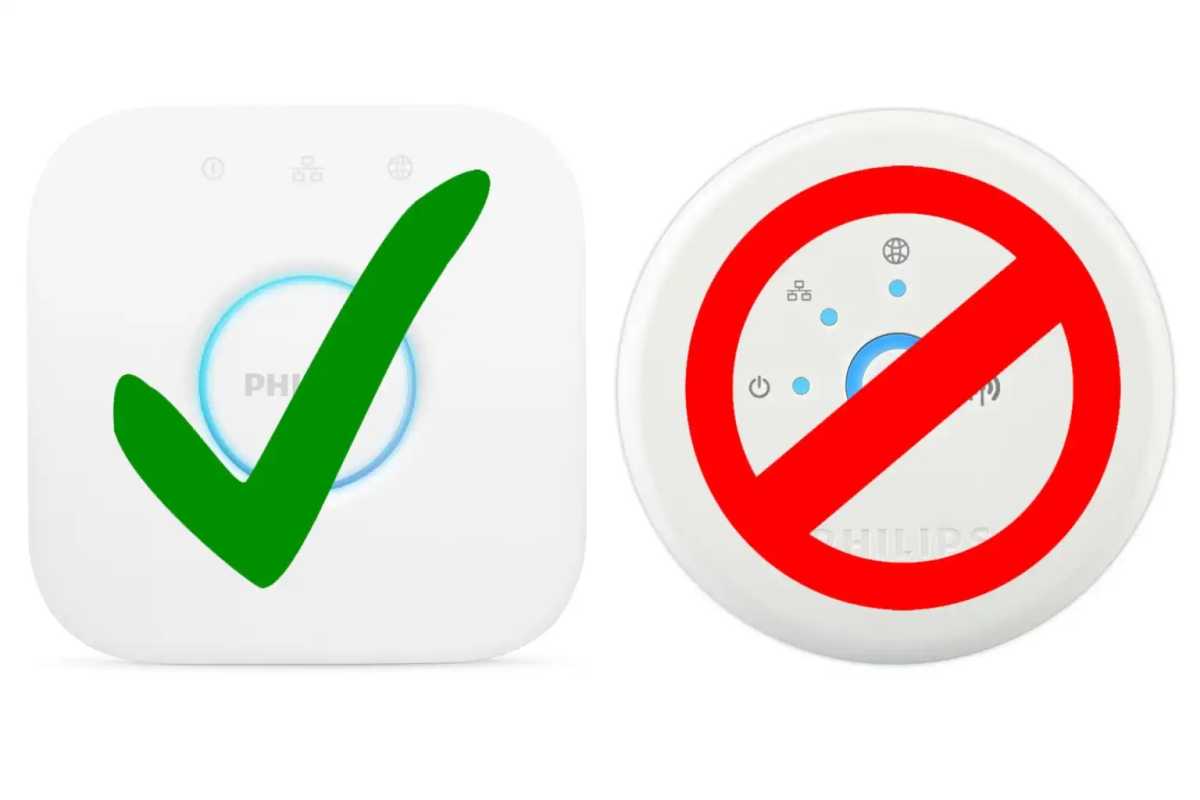
Signify-owned Philips Hue first began selling its industry-leading smart lights way back in 2012, and the first Hue Bridge (pictured above on the right, with a big red slash through it) came bundled with three Hue bulbs.
Hue discontinued the original Bridge in 2015 in favor of an upgraded (and now square) model with more robust processing power and Apple HomeKit support, but continued to keep the older Bridge operating with frequent software updates.
By 2020, however, Philips Hue announced that first-gen Bridge “no longer has the resources to guarantee the evolution of the Hue system.”
While owners of the outdated Bridge could still use it locally with the Hue app (so strictly speaking, it’s not stone dead), the device lost all online services after April 2020, including out-of-home control and voice commands.
Leeo Smart Alert Nightlight
Launched: 2014
Original list price: $99
Date deactivated: Late 2019
Best Buy
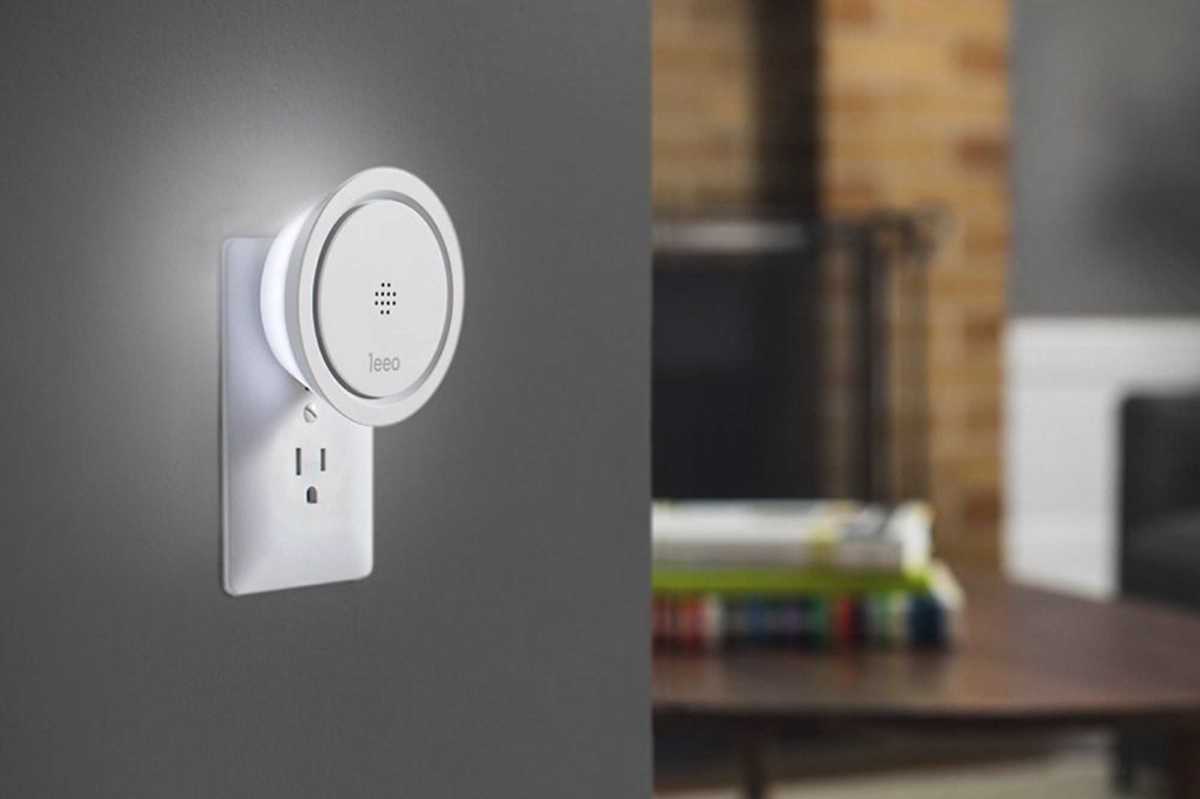
Released back in 2014, the Leeo Smart Alert Nightlight was a simple connected device that could listen for smoke, carbon dioxide, and water leak detectors going off. Doubling as a night light, the Leeo Smart Alert could warn you via mobile alert if it heard any home alarms blaring—and best of all, the monthly service charge was zip, a rarity in the smart home world.
Sadly, the no-cost service (meaning no recurring income for Leeo) may have sealed the fate of the Smart Alert Nightlight. After notifying customers in August 2019 that it was facing choppy financial waters (the company said it explored the possibility of imposing monthly fees, but never followed through), Leeo announced two months later that it was “unable to keep the network on.”
Its internet connection gone, the Smart Alert lost all its smarts, although it could still work as a nightlight. (The color-capable light turned white once the network support shut down).
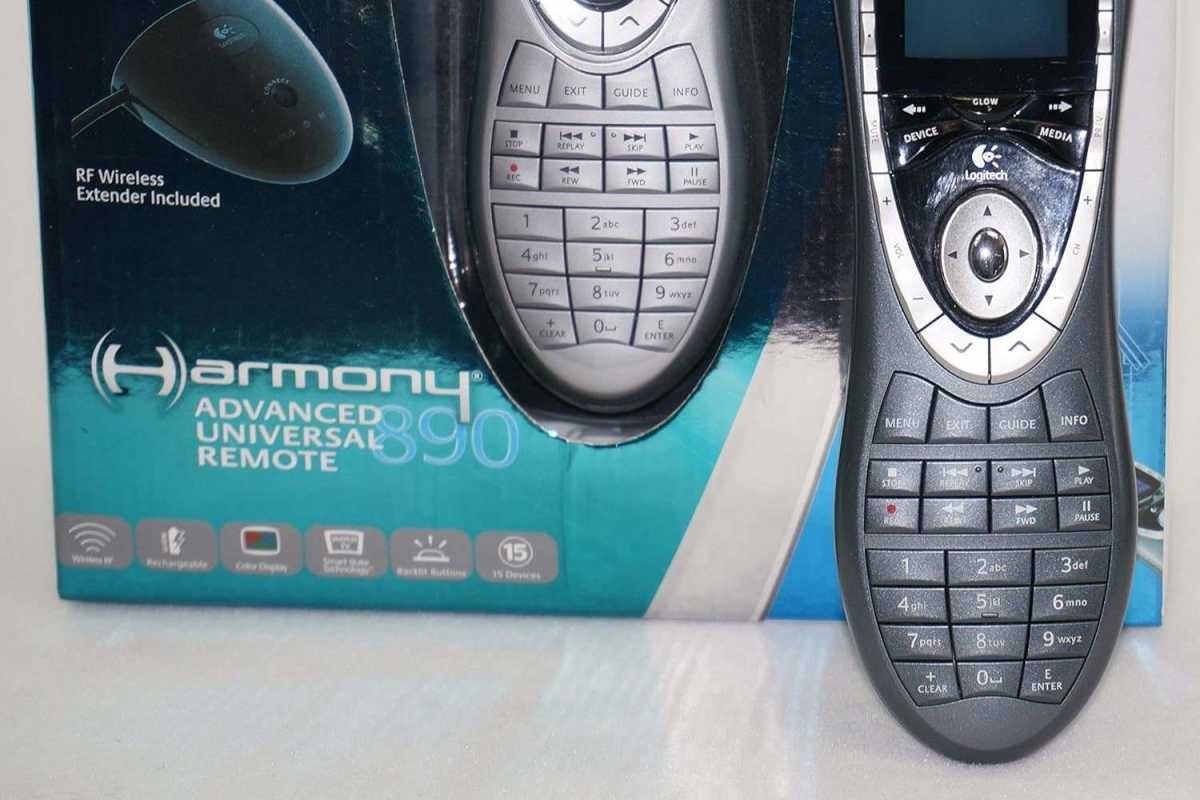
Logitech Harmony universal remotes (first-generation models)
Launched: Various dates
Original list price: Various price points
Dave deactivated: March 2025
Amazon
Ever since 2021, when Logitech first announced it would stop making Harmony remotes, users knew their beloved devices were living on borrowed time.
While Harmony remotes were never widely popular, they were cherished by home theater enthusiasts with multiple A/V devices to juggle. Rather than dealing with a pile of remotes on their coffee tables, they could use a single Harmony remote to control all their components.
The most powerful—and expensive—Harmony remotes could be programmed using an online database of tens of thousands of home theater products, while a Harmony desktop application allowed you to set up elaborate automations that would power up your TV, your A/V receiver, and other components in the right order, and with the correct inputs selected.
When it first announced it was discontinuing the Harmony line, Logitech (which acquired the Harmony brand in 2004) promised to keep the Harmony servers up and running for “as long as customers are using [them].”
To date, Harmony’s servers are still running, but Logitech did go ahead and cut support for two dozen of its first-generation Harmony remotes, including the Harmony 670, 720, 880 and 880 Pro, 1100i, and the Harmony for Xbox 360, while also killing off the legacy desktop app that those older remotes relied on. (Newer Harmony remotes that work with the MyHarmony website and Harmony mobile app are still functional.)
With their support cut off, older Harmony remotes can’t be reprogrammed anymore, nor can users add new devices to them or configure new automations. The remotes will still work with their last programmed configurations, but without online Harmony support, their smarts are effectively gone.
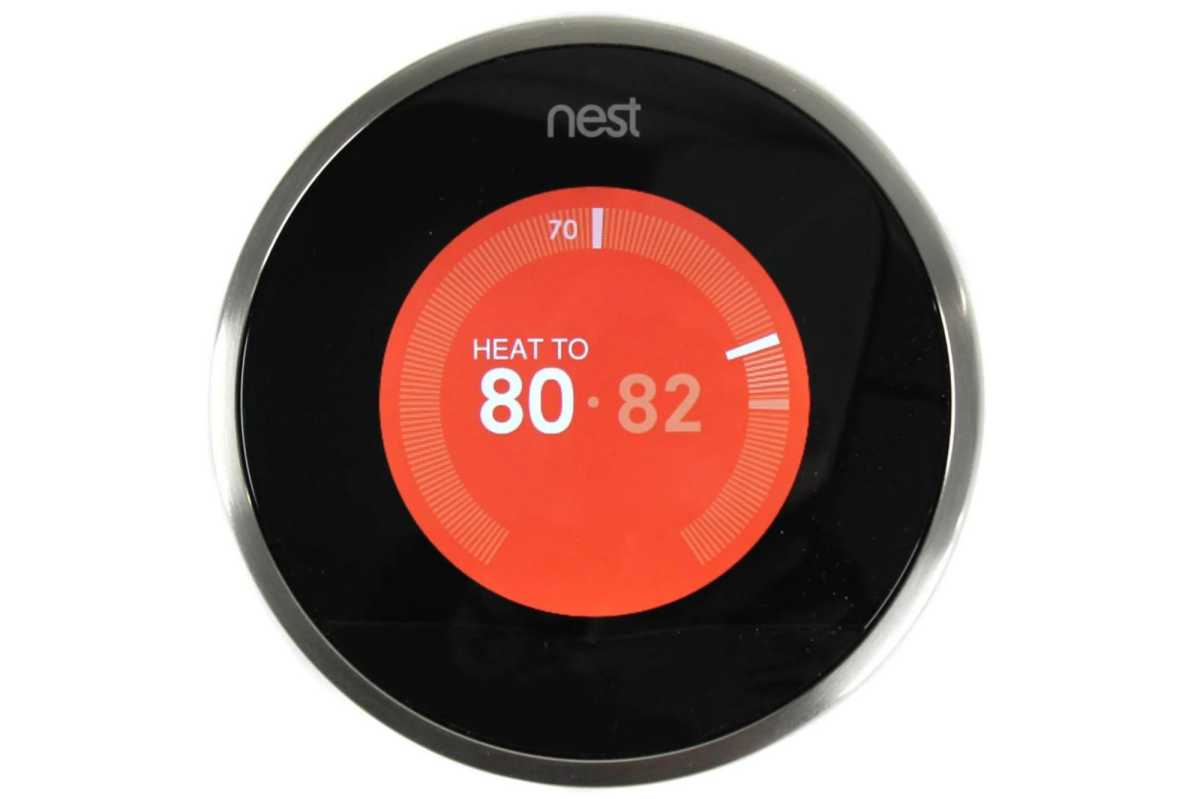
Nest Learning Thermostats (first and second generations)
Launched: 2011 (first generation), 2012 (second generation)
Original list price: $250
Date deactivated: October 25, 2025
Walmart
The 2011 arrival of the first Nest Learning Thermostat arguably kicked off the smart home era—and indeed, if you asked a random person on the street back then to name a smart device, the Nest thermostat would probably be the one they’d say.
There have been several iterations of the Nest thermostat over the years, including new and improved Nest Learning Thermostat versions (the fourth generation is the most recent), along with a couple of budget-priced versions: the Nest Thermostat E from 2017, and the plain-old Nest Thermostat in 2020. Through it all, plenty of loyal Nest users kept using their older Nest thermostats—why fix what ain’t broke, right?
But in April 2025, Google delivered a hammer blow, announcing that it would drop support for the first- and second-generation Nest Learning Thermostats on October 25, 2025. Not only would the devices stop getting software updates, they would also no longer connect to the Google Home app, nor would they be controllable remotely or by Google Assistant.
The two oldest Nest Learning Thermostats won’t go completely dead on October 25, 2025; you’ll still be able to adjust the temperature, mode, schedules, and other settings manually on the device itself, just as you would on any other dumb thermostat. But once Google cuts off support for the devices, the very quality that made those aging Nest thermostats so special—their smarts—will vanish.
It’s not all bad news for owners of the first- and second-gen Nest Learning Thermostats, however; Google has said it offer those users $130 off the purchase of a fourth-generation Nest Learning Thermostat (which is currently selling for $280).
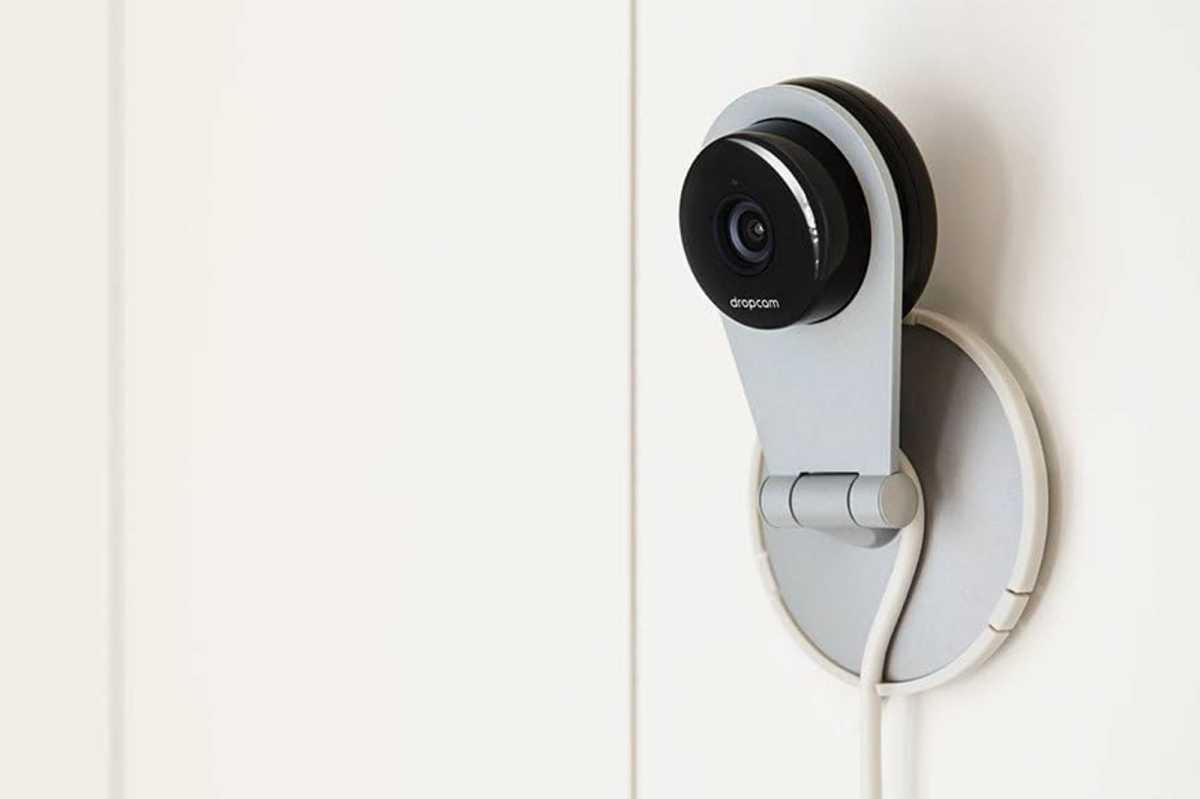
Dropcam HD and Dropcam Pro
Launched: 2012 (Dropcam HD), Dropcam Pro (2013)
Original list price: $149 (Dropcam HD), $199 (Dropcam Pro)
Date deactivated: April 8, 2024
Amazon
Two of the original smart security cameras, the Dropcam HD and Dropcam Pro revolutionized the DIY home security market with their handsome designs, top-notch (for the time) video quality, and affordable price tags.
None of this escaped the notice of Nest, which scooped up Dropcam in 2014, just prior to Google’s acquisition of Nest.
Unlike what happened with the Revolv smart hub, Nest kept both Dropcam units operational for a decade before finally cutting off online support for both models in early April, 2024. Nest even offered the last remaining Dropcam users a free Nest Cam, provided they were Nest Aware subscribers.
Nest Secure
Launched: 2017
Original list price: $499
Date deactivated: April 8, 2024

The Dropcam HD and Dropcam Pro weren’t the only products that Nest reached out and killed on April 8, 2024. On the same day, the Google-owned brand also pulled the plug on Nest Secure, its DIY home security system.
Released in 2017, the Nest Secure bundle includes the central Nest Guard component, which offers an integrated keypad, siren, and motion sensor, plus two contact sensors and a pair of NFC-equipped Nest “Tags” that can arm or disarm the system with a tap.
Nest Secure garnered some admiring notices for its attractive industrial design, as well as the tight integration with Nest’s other smart home devices. But the hefty $500 price tag for just two contact sensors and an alarm was a major turnoff, and Nest discontinued Secure in 2020…right around the time that Google sunk $450 million in ADT.
As with the Dropcams, Nest Secure stopped working in April 2024, rendering its alarm and window/door sensors useless. That said, Google did offer Nest Secure users a new ADT security system worth up to $485—either that or a $200 Google Store credit.
